Narrative Practice at CVTI
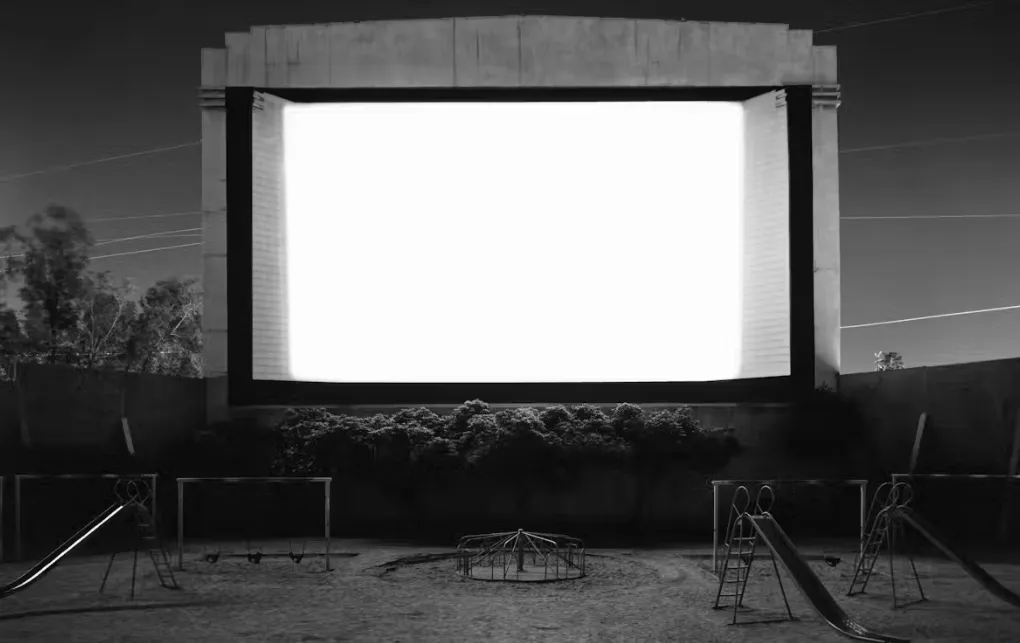
Building a Narrative Practice through Participation, Witnessing, and Meaning-Making
Over the past several years, CVTI has intentionally expanded its work around narrative as a core practice not only for engagement, reflection, and community building, but also as a mechanism for self accountability that interrogates our assumptions and the institutionalized givenness of who veterans and military-connected people are. Grounded in the understanding that narrative is not simply a story told, but a relational and evolving process through which meaning is made, how narratives are formed and stories told, this initiative creates space for people to explore how their experiences take shape across academic, personal, and institutional environments.
At its core, this work shifts narrative away from performance or extraction and toward participation and witnessing. Through structured yet open engagements, students, staff, faculty, and neighbors are invited not to define themselves (one discussion actually asks, “can you define a veteran?”) but to engage an ongoing process of becoming within a broader narrative ecology that connects individual experience to shared environments.
One example brings in Narrative Medicine as an initiative at CVTI, designed to:
- Demystify narrative as an everyday practice already in use
- Create non-extractive, participatory spaces for reflection and meaning-making
- Foster deeper connection through listening, writing, and witnessing
- Make Art in a community setting
In its most recent iteration, CVTI hosted a two-part Narrative Medicine experience that brought together 10 student veterans for an evening of discussion, reflection, and writing.
The program began with a Community Listening Session on Demystifying Narrative, (led by David Keefe who has been leading writing, art- and meaning-making workshops for over 13 years) which grounded the concept of narrative in lived experience. Participants explored how assumptions shape perception, how identity is not singular or fixed, and how stories emerge relationally, often in the spaces between what is said and unsaid. This session emphasized listening as an active and ethical practice, reinforcing that narrative is not something we simply tell, but something we participate in shaping together.
Following a shared dinner, participants engaged in a Narrative Medicine Writing Workshop: Shifting Perspectives, where prompted reflection created space for exploration and writing was approached as a method of discovery. Participants were invited to share at their own pace, with the group practicing witnessing rather than critique.
Narrative Medicine Workshop Series
This workshop marks the second iteration of what is now formally emerging as the Narrative Medicine Workshop Series @ CVTI. Due to strong engagement and feedback, CVTI is expanding this work into an ongoing series that will include writing workshops, storytelling sessions, and reflective community spaces.
Session 1:
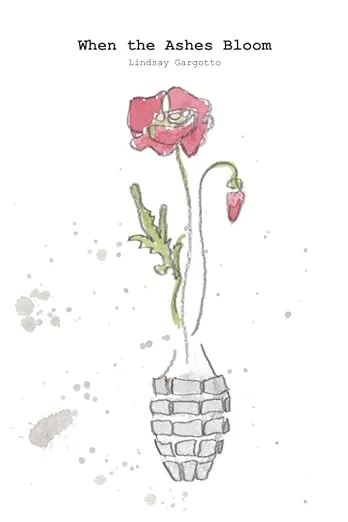
Women Veteran Narratives
The first workshop in this series centered on women veteran experiences, drawing on the poetry and published work of Lindsay Gargotto. This session explored voice, visibility, and representation, using literary works as a foundation for reflection and discussion.
Session 2:
Demystifying Narrative + Narrative Medicine Writing Workshop: Shifting Perspectives
The second workshop expanded the scope, focusing on narrative as an ecological and relational process. Through a combined listening session and writing workshop, participants engaged both the conceptual and practical dimensions of narrative.
Visiting Facilitators
This iteration of the workshop was led by two Narrative Medicine practitioners whose work bridges storytelling, healthcare, and community practice:
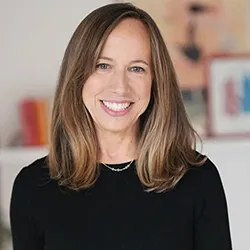
Beth Cavenaugh
Beth is a certified hospice and palliative care nurse with 28 years of experience and a 2025 graduate of Columbia’s MS in Narrative Medicine program. Her work has included supporting veterans through Trauma and Resiliency Resources (TRR), and she is currently developing a pilot project focused on mitigating burnout among nurses through narrative practice.
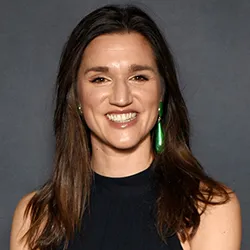
Lodovica Bo
Lodovica is a journalist and storyteller whose work has evolved into Narrative Medicine as a means of fostering more compassionate and human-centered systems. Also a 2025 graduate of Columbia’s MS in Narrative Medicine program, she has worked with veterans through TRR and now focuses on strengthening communication, empathy, and presence across healthcare and community settings.
Campus Partnership:
None of this work cannot be done without the ongoing partnership with dedicated individuals and organizations across campus. Thank you to the following partners for hosting writing and reflection spaces at CVTI.
The Columbia Veterans Workshop is a free creative writing course open to anyone who is a veteran or a military family member. Students will have the opportunity to learn about craft, workshop with their peers, and receive feedback on their writing from instructors. We will cover works of fiction, nonfiction, poetry, and anything else of interest, and we will have in-class writing exercises. We will also invite military and veteran guest speakers who will talk to students about their work in the professional literary realm. This course is open to people of all levels working in any genre.
The Line Literary Review is a publication featuring work by service members, veterans, and military family members.
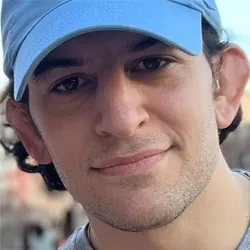
Sam Nahins
Sam is a Former MQ-9 and MQ-1 sensor operator and flight evaluator. Current MFA student at Columbia University School of the Arts, published writer and novelist.
CVTI will continue to host this series at least once annually, bringing in visiting writers, artists, literary critics, theorists, and narratologists. Each iteration will build on prior sessions while introducing new entry points into narrative practice and community engagement.
What is Narrative Medicine?